



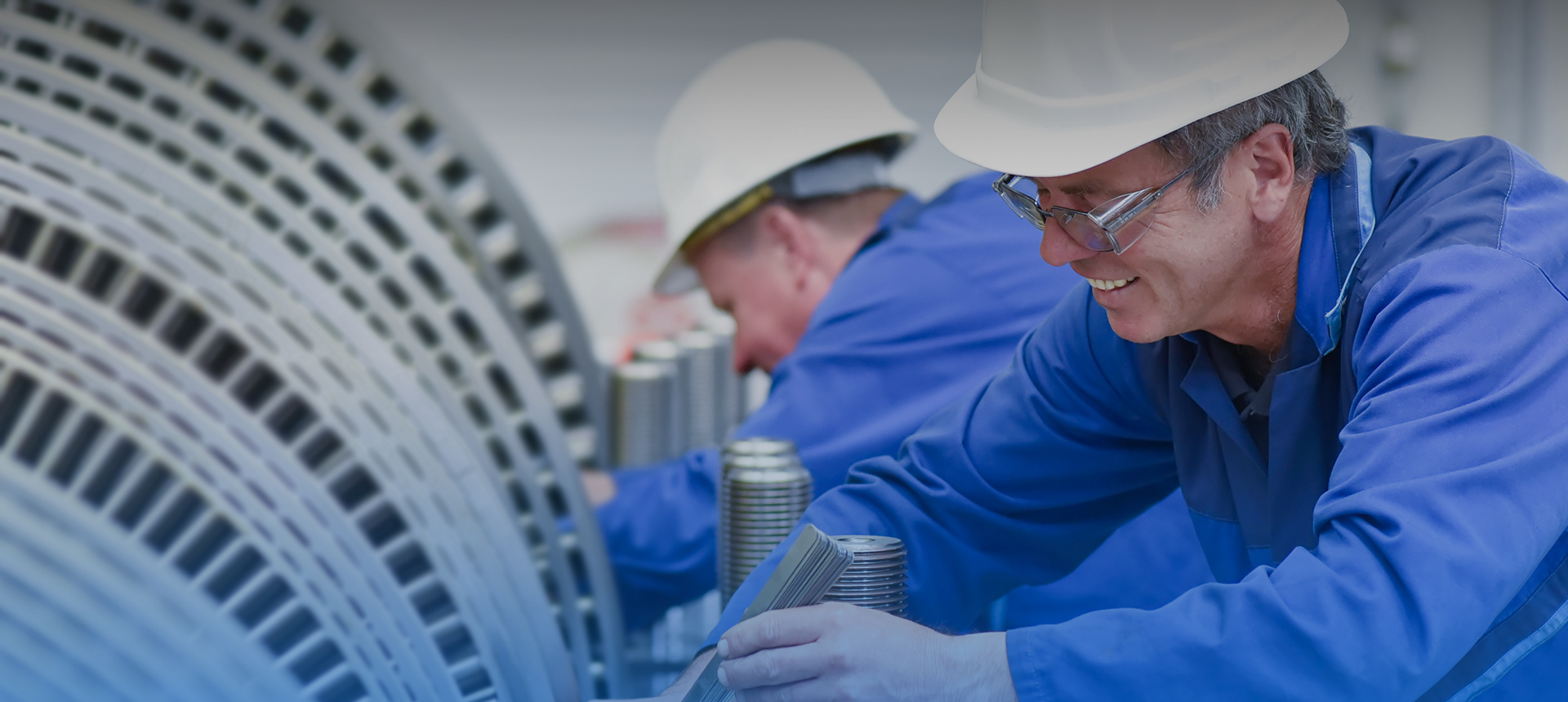
Large capacity steam turbine island projects are at the heart of modern power generation systems, especially in thermal and combined-cycle power plants. These projects require precision engineering, strategic planning, and seamless execution to ensure efficiency, reliability, and long-term performance. Whether you are a developer, investor, or operator, understanding the lifecycle and critical aspects of such projects is essential. Working with a reliable large capacity steam turbine island EPC contractor plays a key role in achieving project success.
Understanding Steam Turbine Island Projects
A steam turbine island refers to the integrated system that includes the steam turbine, generator, condenser, and auxiliary equipment required to convert thermal energy into electrical power. In large capacity setups, these systems are designed to handle high loads, often exceeding hundreds of megawatts.
These projects are complex due to their scale and the interdependence of components. Every element, from steam conditions to turbine efficiency, must be carefully engineered to meet performance goals. A qualified large capacity steam turbine island EPC contractor ensures that all components are designed, procured, and constructed in alignment with project specifications.
Importance of EPC in Large Capacity Projects
EPC stands for Engineering, Procurement, and Construction. In large capacity steam turbine island projects, EPC contractors take full responsibility for delivering a fully operational facility. This approach reduces risks for project owners by centralizing accountability.
Engineering Excellence
Engineering is the backbone of any turbine island project. It involves detailed design of turbine systems, thermodynamic analysis, and integration planning. Advanced simulation tools are used to optimize efficiency and reduce energy losses. A skilled large capacity steam turbine island EPC contractor ensures that designs comply with international standards while meeting site-specific requirements.
Procurement Strategy
Procurement involves sourcing high-quality components such as turbines, generators, control systems, and auxiliary equipment. In large capacity projects, even minor defects can lead to significant performance issues. Therefore, selecting trusted suppliers and ensuring quality control is critical.
An experienced EPC contractor leverages global supply chains and vendor relationships to secure reliable equipment at competitive prices. This ensures both cost efficiency and operational reliability.
Construction and Installation
Construction is where planning meets execution. It includes civil works, mechanical installation, electrical integration, and commissioning. Precision is essential during installation to avoid alignment issues, vibrations, and operational inefficiencies.
A large capacity steam turbine island EPC contractor manages timelines, workforce coordination, and safety protocols to ensure smooth project execution. Proper installation directly impacts the performance and longevity of the turbine island.
Key Components of a Steam Turbine Island
Understanding the major components helps in grasping the complexity of these projects.
Steam Turbine
The steam turbine converts thermal energy from steam into mechanical energy. In large capacity systems, turbines are designed for high efficiency and durability under extreme conditions.
Generator
The generator converts mechanical energy into electrical energy. It must be precisely synchronized with the turbine to ensure stable power output.
Condenser
The condenser cools exhaust steam from the turbine, converting it back into water for reuse. Efficient condensation improves overall cycle efficiency.
Auxiliary Systems
Auxiliary systems include pumps, cooling systems, lubrication units, and control systems. These components support the main equipment and ensure smooth operation.
Project Planning and Execution Phases
Large capacity steam turbine island projects follow a structured lifecycle.
Feasibility Study
The project begins with a feasibility study that evaluates technical, economic, and environmental factors. This phase determines the viability of the project and sets performance targets.
Design and Engineering
Detailed engineering designs are developed based on feasibility findings. This phase includes layout planning, equipment selection, and system integration.
Procurement and Manufacturing
Equipment is sourced and manufactured according to design specifications. Quality assurance is critical during this phase to prevent defects.
Construction and Commissioning
Construction involves assembling all components on-site. Once installation is complete, the system undergoes commissioning to ensure it operates as intended.
Operation and Maintenance
After commissioning, ongoing operation and maintenance ensure optimal performance. Regular inspections and predictive maintenance help extend equipment life.
Challenges in Large Capacity Projects
Despite their benefits, these projects come with several challenges.
Technical Complexity
Integrating multiple systems into a single operational unit requires precise coordination. Any mismatch can lead to inefficiencies or failures.
Cost Management
Large capacity projects involve significant capital investment. Budget overruns can occur due to delays, design changes, or supply chain disruptions.
Environmental Regulations
Power plants must comply with strict environmental standards. Emissions control, water usage, and waste management are critical considerations.
Skilled Workforce
Executing such projects requires highly skilled engineers, technicians, and project managers. A reliable large capacity steam turbine island EPC contractor ensures access to experienced professionals.
Best Practices for Successful Projects
Adopting best practices can significantly improve project outcomes.
Partner with Experienced EPC Contractors
Choosing a reputable large capacity steam turbine island EPC contractor ensures expertise in handling complex projects. Their experience reduces risks and improves efficiency.
Focus on Quality Assurance
Implementing strict quality control measures during design, procurement, and construction ensures long-term reliability.
Use Advanced Technologies
Digital tools, automation, and predictive analytics enhance performance monitoring and maintenance planning.
Ensure Effective Communication
Clear communication among stakeholders prevents misunderstandings and ensures smooth project execution.
Prioritize Safety
Safety protocols must be strictly followed during construction and operation to protect workers and equipment.
Future Trends in Steam Turbine Island Projects
The energy sector is evolving, and steam turbine island projects are adapting to new trends.
Integration with Renewable Energy
Hybrid systems combining thermal and renewable energy sources are becoming more common. This improves efficiency and reduces environmental impact.
Digitalization
Smart monitoring systems and IoT technologies enable real-time performance tracking and predictive maintenance.
Efficiency Improvements
Advancements in turbine design and materials are increasing efficiency while reducing fuel consumption.
Sustainability Focus
Reducing emissions and improving resource efficiency are key priorities in modern projects.
Conclusion
Large capacity steam turbine island projects are critical to meeting global energy demands. Their complexity requires careful planning, advanced engineering, and efficient execution. From design to operation, every phase plays a vital role in ensuring success.
Partnering with a skilled large capacity steam turbine island EPC contractor is essential for delivering high-quality, reliable, and cost-effective solutions. By following best practices and embracing technological advancements, stakeholders can achieve optimal performance and long-term sustainability in their projects.