



Introduction
Digital finance is evolving rapidly as businesses, financial institutions, and individuals adopt new technologies to manage money, process transactions, and make financial decisions. Among these innovations, blockchain technology has emerged as a powerful force for improving transparency, security, and efficiency. However, as blockchain casino analytics networks generate enormous amounts of transaction data, understanding and interpreting that information has become increasingly important. This is where blockchain analytics plays a significant role.
Blockchain analytics involves collecting, examining, and interpreting data recorded on blockchain networks. It helps organizations understand transaction patterns, identify suspicious activities, evaluate financial risks, and gain insights into digital asset movements. As cryptocurrencies, decentralized finance, and tokenized assets continue to develop, blockchain analytics is becoming an essential tool for the future of digital finance.
Understanding Blockchain Analytics
Blockchain analytics refers to the process of analyzing information stored on distributed ledgers. These ledgers record transactions across decentralized networks, creating a history of digital asset transfers and other activities. Although many blockchain records are publicly accessible, interpreting them requires specialized analytical tools and technical knowledge.
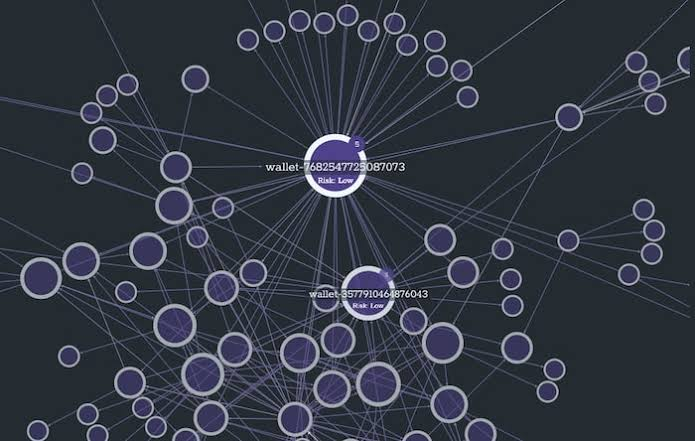
Blockchain analytics platforms organize transaction data, examine relationships between wallet addresses, and identify patterns that may otherwise remain difficult to understand. Depending on the network and available information, these platforms can help users track digital assets, monitor transaction volumes, and investigate unusual financial behavior.
Financial institutions, cryptocurrency exchanges, compliance teams, researchers, and blockchain developers can use these insights to make more informed decisions. By turning complex transaction records into understandable information, blockchain analytics connects blockchain technology with practical financial applications.
Improving Transparency in Digital Transactions
Transparency is one of the most important advantages of blockchain technology. Traditional financial transactions often depend on records maintained by banks and payment providers, whereas public blockchains allow users to independently inspect many transaction details.
Blockchain analytics makes this transparency more useful by organizing large amounts of information into accessible reports and visualizations. Businesses can monitor transaction flows, examine payment histories, and better understand how digital assets move across supported networks.
For financial organizations, this visibility can improve auditing and internal oversight. Instead of relying entirely on fragmented records, analysts may be able to examine blockchain transactions directly and compare them with relevant business information.
Nevertheless, transparency does not mean every transaction can be linked to a real-world individual. Wallet addresses often use pseudonyms, and identifying their owners may require additional evidence. Responsible analytics must therefore distinguish verified information from assumptions.
Strengthening Fraud Detection and Financial Security
Digital financial services face several risks, including scams, stolen assets, unauthorized transfers, and suspicious transaction activity. Blockchain analytics can help organizations identify patterns associated with these threats.
Analytical systems can flag unusual transaction volumes, rapid transfers between connected addresses, and interactions with previously identified high-risk entities. Investigators can then examine these alerts and determine whether further action is necessary.
For cryptocurrency exchanges and payment providers, this capability can support stronger fraud prevention processes. By examining transaction patterns, organizations may recognize potential problems earlier and respond more effectively.
However, blockchain analytics cannot eliminate fraud entirely. Sophisticated criminals may use multiple services, different networks, or privacy-enhancing technologies to complicate investigations. Analytical results can also produce false positives. Human review, reliable evidence, and appropriate security procedures remain essential.
Supporting Regulatory Compliance
Financial regulations require many organizations to monitor transactions, verify customers, and report certain suspicious activities. As digital assets become more integrated into financial services, compliance requirements can become increasingly complex.
Blockchain analytics helps compliance teams examine transaction histories, assess exposure to known risks, and investigate connections involving potentially suspicious addresses. These capabilities can support anti-money laundering procedures and other financial crime prevention measures.
Cryptocurrency exchanges can use analytics tools alongside customer verification systems and internal compliance policies. This combination provides a broader view of potential risks than transaction monitoring alone.
Automation can also reduce the time required to review large volumes of blockchain activity. Nevertheless, organizations must follow the laws that apply to their operations, protect customer information, and ensure that analytical findings are interpreted fairly.
Transforming Decentralized Finance
Decentralized finance, commonly known as DeFi, enables users to access financial services through blockchain-based applications and smart contracts. These services may include lending, borrowing, trading, and liquidity provision without relying on every function of a traditional financial intermediary.
Blockchain analytics helps participants understand how these systems operate. Analysts can study liquidity movements, transaction volumes, lending activity, and changes in the use of decentralized applications.
For developers, this information can reveal how users interact with financial protocols and identify areas where performance or usability could improve. Investors and researchers can also use publicly available data to evaluate activity levels and understand potential risks.
Smart contract monitoring is another important application. Analytics tools may help identify unusual contract interactions or sudden changes in protocol activity. Although these signals can support risk assessment, they do not guarantee that a smart contract is secure or that a financial product is safe.
Enabling Better Financial Decisions
Data-driven decision-making is becoming increasingly important in digital finance. Blockchain analytics provides information that can help businesses, researchers, and market participants evaluate activity across digital asset markets.
For example, analysts may examine transaction volumes, wallet activity, exchange flows, and network participation to understand broader market behavior. Businesses can use these insights to assess customer activity, monitor operational performance, and identify emerging opportunities.
Financial institutions may also combine blockchain data with traditional financial information to develop more comprehensive risk assessments. This approach can help decision-makers understand how digital assets interact with other financial markets.
Still, historical blockchain activity cannot reliably predict future prices or guarantee investment returns. Market conditions, economic developments, regulatory decisions, and investor sentiment all influence digital asset markets. Analytics should support careful evaluation rather than replace independent judgment.
Increasing Efficiency Through Automation and Artificial Intelligence
The growing scale of blockchain activity makes manual analysis increasingly difficult. Artificial intelligence and machine learning can help process large datasets, recognize patterns, and prioritize transactions that require additional attention.
For instance, analytical systems may compare new transaction activity with previously observed patterns to identify unusual behavior. Automated reporting can also help compliance teams organize findings and reduce repetitive administrative tasks.
When integrated with suitable monitoring systems, blockchain analytics can improve response times and help organizations allocate resources more efficiently. Financial teams can focus their attention on complex cases instead of reviewing every transaction manually.
However, automated systems depend on data quality and model design. Incomplete information, biased training data, and changing criminal behavior can affect their performance. Organizations should regularly evaluate analytical models and maintain appropriate human oversight.
Addressing Privacy and Data Protection Challenges
Despite its advantages, blockchain analytics raises important privacy questions. Public transaction records may reveal information about spending patterns, business relationships, and financial activity. When wallet addresses are connected to identifiable individuals, the resulting information can become particularly sensitive.
Organizations must therefore balance transparency with responsible data use. Appropriate safeguards may include limiting access to sensitive information, securing analytical systems, and complying with applicable privacy laws.
Blockchain analytics providers should also communicate the limitations of their findings. A transaction involving a particular address does not automatically prove that its owner participated in wrongdoing.
Responsible practices help maintain trust while allowing organizations to benefit from blockchain-based financial insights.
The Future of Blockchain Analytics in Digital Finance
The future of blockchain analytics will likely be shaped by greater interoperability, improved automation, and wider adoption of tokenized financial assets. As blockchain networks expand, analytical platforms will need to interpret information across different systems and provide more consistent insights.
Tokenization may create additional opportunities to analyze the movement of digital representations of assets such as bonds, funds, and other financial instruments. Better analytical tools could help organizations monitor these assets, improve reporting, and understand transaction activity across supported networks.
Privacy-preserving technologies may also influence how analytics develops. New approaches could enable organizations to verify certain financial conditions while limiting the exposure of sensitive information.
Meanwhile, clearer regulatory frameworks and stronger industry standards may encourage broader adoption. The most successful analytics solutions will combine technical accuracy, transparent methods, strong security, and responsible data governance.
Conclusion
Blockchain analytics is transforming digital finance by making blockchain transaction data more understandable and useful. It supports transparency, strengthens fraud detection, improves regulatory monitoring, and provides insights into decentralized finance and digital asset markets.
Although challenges involving privacy, accuracy, regulation, and security remain, continued technological development is creating new opportunities for financial organizations and blockchain participants.
As digital finance becomes more interconnected, blockchain analytics will play an increasingly important role in helping businesses understand financial activity and manage risk. Its long-term value will depend not only on the amount of data it can process but also on how responsibly and effectively that information is used. By combining analytical innovation with sound financial practices, organizations can build a more transparent, efficient, and trustworthy digital financial ecosystem.