



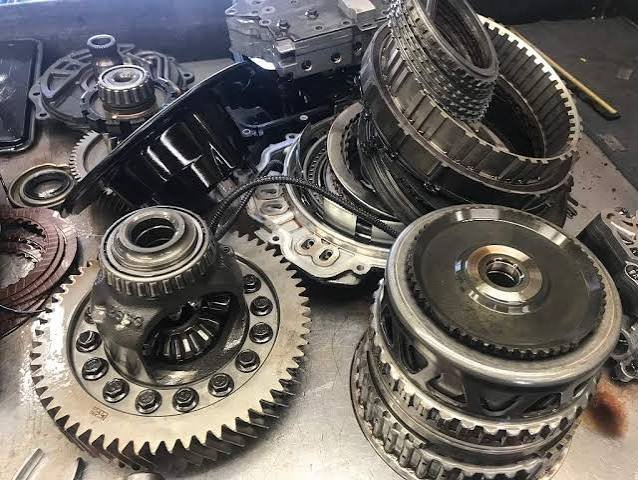
A vehicle’s transmission is one of its most important mechanical systems. It transfers power from the engine to the wheels, allowing the vehicle to change gears smoothly and operate efficiently at different speeds. When transmission replacement near me the transmission develops serious problems, driving can become difficult, uncomfortable, or unsafe. In some situations, replacing the transmission may be a more practical solution than continuing with repeated repairs.
If you are searching for transmission replacement near me, finding a reliable local specialist should be your priority. A qualified transmission shop can inspect your vehicle, explain the available options, provide a transparent estimate, and help you choose a replacement that suits your vehicle and budget. Understanding what to look for before selecting a repair facility can help you avoid unnecessary expenses and make a confident decision.
Understanding When Transmission Replacement Is Necessary
Transmission problems can develop gradually or appear suddenly. Some issues may be resolved through relatively simple repairs, while others indicate significant internal damage that requires a complete replacement or rebuilding service.
Recognizing the warning signs early can help you arrange an inspection before the problem becomes more serious.
Common Signs of Transmission Failure
Several symptoms may indicate that your transmission needs professional attention. These include difficulty shifting gears, unusual grinding noises, delayed engagement, slipping gears, and fluid leaks beneath the vehicle.
You may also notice that the engine revs without a corresponding increase in speed. In automatic vehicles, rough shifting or hesitation when moving from park to drive can suggest a transmission-related issue.
A burning smell or dashboard warning light may indicate an underlying mechanical or fluid problem. These symptoms do not automatically mean the transmission must be replaced, but they should not be ignored.
Repair or Replacement: Which Is Better?
The right solution depends on the type and extent of the damage. Minor problems, such as certain fluid leaks or faulty external components, may be repairable without replacing the entire transmission.
However, extensive internal damage, severe wear, or repeated failures may make replacement a more economical long-term option.
A trustworthy mechanic should inspect the vehicle and explain why a particular service is recommended. Request a diagnosis before approving expensive work, and consider a second opinion if the proposed replacement is not clearly justified.
How to Find Reliable Transmission Replacement Experts Near You
Choosing a transmission specialist involves more than selecting the nearest workshop. You need a repair facility with the appropriate experience, equipment, and customer service standards.
Research Local Transmission Shops
Start by searching online for transmission replacement services in your area. Review business websites to learn about their services, experience with different vehicle makes, and diagnostic capabilities.
Look for shops that specifically handle transmission repairs, rebuilds, and replacements rather than relying exclusively on general automotive maintenance services.
A specialist may be better equipped to identify complicated transmission problems and recommend a suitable replacement. However, always evaluate the individual shop’s qualifications, service history, and reputation instead of assuming that every specialist offers the same level of service.
Read Customer Reviews and Testimonials
Online reviews can provide useful information about a repair shop’s communication, pricing, workmanship, and customer support.
Pay attention to reviews that describe transmission replacement experiences in detail. Customers may mention whether the shop explained the diagnosis, completed the work within the estimated timeframe, and honored its warranty.
Look for consistent patterns rather than judging a business by one positive or negative comment. A professional shop should also respond to customer concerns respectfully and attempt to resolve legitimate complaints.
Verify Experience and Technical Expertise
Modern transmissions vary significantly between vehicles. Automatic, manual, continuously variable transmissions (CVTs), and dual-clutch systems can require different diagnostic methods and replacement procedures.
Before choosing a shop, ask whether its technicians have experience working on your vehicle’s make, model, year, and transmission type.
You can also ask about diagnostic equipment, technician training, and procedures for programming or calibrating electronically controlled transmission systems when necessary.
Relevant experience is especially important for newer vehicles, which may require specialized tools and manufacturer-specific procedures.
Compare Transmission Replacement Costs
Transmission replacement can represent a significant vehicle maintenance expense. The total cost depends on several factors, including the vehicle model, transmission design, replacement unit, labor requirements, and warranty coverage.
Understanding these factors will help you compare estimates more effectively.
Factors That Affect the Price
The type of replacement transmission is one of the biggest cost considerations. A new transmission may cost more upfront than a used or remanufactured unit.
Labor costs also vary depending on how difficult the transmission is to remove and install. Some vehicles require additional components, updated software, replacement fluids, or other related services.
The shop may also recommend replacing worn mounts, seals, or other parts discovered during the inspection. Ask which items are essential and which are optional.
Request a Detailed Written Estimate
Before approving the work, request an itemized estimate that separates parts, labor, diagnostic charges, fluids, taxes, and additional services where applicable.
The estimate should identify the type of transmission being installed and explain whether the quoted amount includes all necessary installation procedures.
Be cautious of estimates that seem unusually low without explaining what is included. A lower initial price may not represent the best value if important parts, labor, or warranty coverage are excluded.
Comparing at least two or three estimates can help you understand the local market and identify a reasonable offer.
Understand Your Transmission Replacement Options
Reliable transmission shops may offer several replacement choices. Each option has advantages and potential disadvantages, so the best selection depends on your budget, vehicle condition, and expected ownership period.
New Transmissions
A new transmission is manufactured as a new unit rather than rebuilt from previously used components. It may be an appropriate choice for newer vehicles or situations where long-term ownership is a priority.
However, availability and pricing can vary considerably. Ask whether the unit comes from the vehicle manufacturer or another supplier and review the applicable warranty.
Remanufactured Transmissions
A remanufactured transmission has been disassembled, inspected, and rebuilt according to an established process. Worn components are replaced, and the unit may undergo testing before sale.
This option can offer a balance between cost and reliability, provided the remanufacturer follows appropriate quality-control procedures.
Ask about testing standards, included components, and warranty terms before making a decision.
Used Transmissions
A used transmission is typically sourced from another vehicle. It may offer a lower initial purchase price, which can be attractive when repairing an older vehicle.
Nevertheless, its service history and remaining lifespan may be uncertain. Ask about mileage, compatibility, inspection procedures, and whether the seller offers a parts or labor warranty.
A qualified technician can help you evaluate whether a used unit makes financial sense for your circumstances.
Evaluate Warranty Coverage Before Making a Decision
Warranty protection is an important part of transmission replacement. Even when a replacement unit is supplied by a reputable manufacturer, you should understand exactly what the warranty covers.
Ask whether the warranty applies to parts only or includes labor. Transmission removal and reinstallation can be expensive, so labor coverage may significantly affect the overall value of the offer.
Confirm the warranty period, mileage limitations, exclusions, and maintenance requirements. Some warranties may also require installation by an approved facility.
Get the terms in writing and keep copies of the invoice, warranty documentation, and service records. Clear documentation can make it easier to resolve problems if the replacement transmission develops a covered defect.
Ask the Right Questions Before Hiring a Transmission Shop
A professional workshop should be willing to answer your questions without pressuring you into an immediate decision.
Before authorizing transmission replacement, consider asking:
- What tests confirmed that replacement is necessary?
- Is rebuilding or repairing the existing transmission a reasonable alternative?
- Is the replacement unit new, remanufactured, or used?
- Does the estimate include labor, fluids, programming, and installation?
- How long is the expected repair timeframe?
- What warranty applies to the parts and labor?
- Will you receive a final invoice and documentation of the work?
The answers can help you evaluate the shop’s transparency and technical knowledge.
Be cautious if a mechanic refuses to explain the diagnosis, avoids providing written pricing, or insists on additional services without a clear justification.
Why Choosing a Local Transmission Specialist Matters
Working with a local transmission shop can make communication, vehicle drop-off, and follow-up appointments more convenient. If a warranty concern arises after installation, a nearby facility may also be easier to revisit.
Local businesses may be familiar with common vehicle issues in the area and can offer practical advice about maintenance and driving conditions.
However, convenience should not be the only deciding factor. Compare technical expertise, customer feedback, warranty terms, and total cost before choosing a provider.
If your vehicle is not safe to drive, ask the shop about towing arrangements rather than risking further damage by driving it to the facility.
How to Protect Your New Transmission After Installation
Once the replacement is complete, proper maintenance can help support reliable operation.
Follow the manufacturer’s recommended transmission service schedule, including fluid inspections and changes when required. Use only the specified fluid type and follow the service procedures appropriate for your vehicle.
Avoid ignoring warning lights, fluid leaks, or unusual shifting behavior. Addressing small problems early may prevent additional damage.
Ask the repair shop whether the replacement requires a break-in period, follow-up inspection, or specific maintenance procedures. Keep all service records and warranty documents in an accessible place.
Good driving habits can also help reduce unnecessary stress on the transmission. Avoid excessive loads beyond the vehicle’s rated capacity and follow the manufacturer’s guidance when towing.
Conclusion
Finding reliable experts for transmission replacement near me requires careful research, clear communication, and a thorough understanding of your options. The right repair shop should offer accurate diagnostics, experienced technicians, transparent pricing, suitable replacement choices, and written warranty coverage.
Before committing to a replacement, determine whether repairing or rebuilding the existing transmission is a realistic alternative. Compare estimates, verify the quality of the replacement unit, and ask questions about installation procedures and long-term support.
By choosing a qualified local specialist and following the recommended maintenance schedule, you can make a more informed investment in your vehicle. A well-planned transmission replacement can restore dependable performance, improve driving confidence, and help you get more practical use from your vehicle.