
A successful camping trip is often about disconnecting from everyday life, but that does not mean you have to give up access to essential electricity. From charging smartphones and cameras to powering lights, coolers, and small appliances, having dependable portable power can make outdoor adventures more comfortable and convenient. This camping power station guide explains what you need to know before choosing a portable power station, including battery capacity, output, portability, charging options, safety features, and practical tips for using power away from home.
What Is a Camping Power Station?
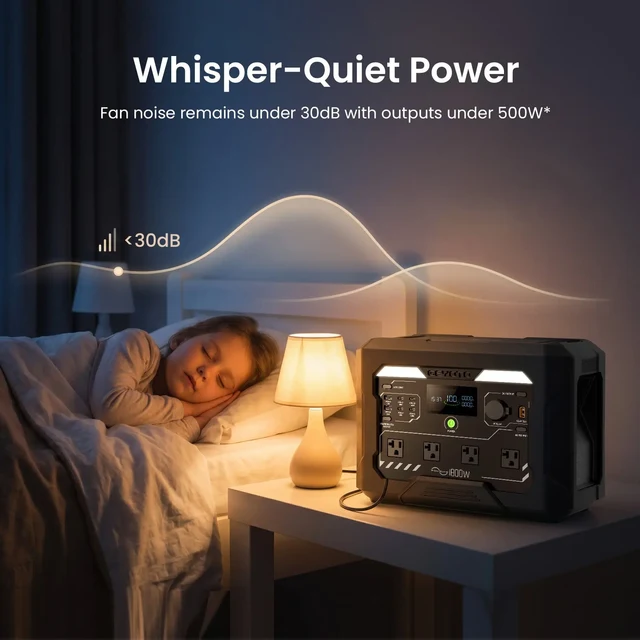
A portable power station is a rechargeable battery-powered device designed to provide electricity when you are away from traditional power outlets. Unlike conventional fuel-powered generators, most modern power stations operate quietly and produce no direct exhaust emissions during use. This makes them particularly useful for campsites, road trips, RV adventures, emergency preparedness, and outdoor events.
Portable power stations typically include multiple output ports, such as AC outlets, USB-A ports, USB-C ports, and 12V DC outlets. Depending on the model, you can use them to charge phones, tablets, laptops, cameras, portable refrigerators, CPAP machines, fans, and other compatible equipment.
For campers, the biggest advantage is convenience. Instead of relying entirely on campground electrical hookups or vehicle charging, you can carry stored energy with you and use it wherever your adventure takes you.
Determine How Much Power You Need
One of the first steps in selecting a power station is understanding your energy requirements. Different campers have different needs, so there is no single capacity that works for everyone.
If you mainly need to charge smartphones, GPS devices, cameras, and small LED lights, a compact power station may be enough. These devices generally consume relatively little electricity, allowing a smaller battery to provide power for multiple days.
For larger equipment, you will need more capacity. Portable refrigerators, electric blankets, fans, CPAP machines, and other higher-demand devices can consume significantly more energy. Longer camping trips also require greater battery capacity because you may not have frequent opportunities to recharge.
Battery capacity is usually measured in watt-hours (Wh). A higher watt-hour rating means the power station stores more energy. However, actual usable energy can be lower than the advertised capacity because of conversion losses and other factors.
Before buying, make a list of the devices you plan to use and estimate their wattage and daily runtime. This simple calculation can help you select a power station that meets your needs without paying for unnecessary capacity.
Check the Power Output
Capacity tells you how much energy a power station can store, but output determines what devices it can operate.
Every appliance has a specific power requirement, measured in watts. A power station must provide enough continuous output to run your equipment. For example, a small electronic device may need only a few watts, while a larger appliance can require hundreds of watts.
You should also pay attention to surge or peak output. Some devices, particularly those with motors or compressors, briefly require more power when starting. A portable refrigerator or similar equipment may have a startup surge that is significantly higher than its normal operating wattage.
A good camping power station should have enough continuous and peak output to handle your planned devices. Always compare your equipment’s requirements with the specifications of the power station before use.
Consider Battery Chemistry
Battery technology can influence the lifespan, weight, safety, and overall value of a portable power station.
Many newer models use lithium iron phosphate, commonly known as LiFePO4, batteries. These batteries are popular for outdoor applications because they typically offer a long cycle life and strong durability. They can be an attractive choice for campers who expect to use their power station frequently over several years.
Other lithium-based battery technologies may offer advantages in terms of weight and compactness. The right option depends on how often you camp, how much power you need, and how important long-term battery life is to you.
When following this camping power station guide, consider the battery’s expected cycle life and manufacturer warranty in addition to its capacity. A slightly more expensive model may offer better long-term value if it is designed to withstand frequent charging and discharging.
Portability Matters for Camping
A power station should be powerful enough for your needs without becoming a burden to transport. Larger batteries naturally tend to weigh more, so portability is an important factor when choosing the right model.
If you are driving directly to a campsite, a heavier power station may not be a major problem. However, backpackers and campers who travel on foot should prioritize lightweight and compact designs.
Look for practical features such as sturdy handles, durable construction, and a design that is easy to load into a vehicle or carry around a campsite. Think about where you will store it during transportation and how frequently you will move it during your trip.
Explore Different Charging Methods
One of the most useful features of a portable power station is the ability to recharge it in different ways. Many models can be charged from a standard wall outlet, making it easy to prepare before leaving home.
Solar charging is another popular option for camping. With compatible solar panels, you can replenish your battery during daylight hours. Solar charging can be especially useful for longer trips where access to electrical outlets is limited.
Some power stations can also recharge from a vehicle’s 12V outlet. This provides another convenient option when you are traveling by car or RV.
When choosing a unit, check how quickly it can recharge and whether it supports multiple charging methods. Fast charging can be valuable when you have limited time between activities, while solar compatibility can improve independence during extended outdoor adventures.
Look for Useful Ports and Features
The number and type of ports can make a major difference in everyday usability. A good camping power station may include AC outlets for standard appliances, USB-C ports for modern electronics, USB-A ports for smaller devices, and DC outputs for compatible camping equipment.
A built-in display can also be helpful. It may show remaining battery percentage, input power, output power, and estimated runtime. This information allows you to monitor your energy use and plan when to recharge.
Some advanced models offer smartphone applications that let you monitor or control the power station remotely. While these features are not essential for everyone, they can provide additional convenience.
Prioritize Safety and Durability
Outdoor environments can be unpredictable, so safety and construction quality should not be overlooked. Look for power stations with built-in protections against overcharging, overheating, overloading, and short circuits.
A durable exterior can help protect the internal components from everyday bumps and transportation. However, you should always follow the manufacturer’s instructions regarding exposure to rain, moisture, dust, and extreme temperatures.
Never operate a power station in conditions that exceed its recommended operating range. Proper storage and handling can also help extend battery life and maintain reliable performance.
Plan Your Energy Use While Camping
Even a high-capacity battery can run out if you use it without planning. Start your trip with a fully charged power station and prioritize essential devices.
Charge small electronics during the day when possible, and avoid leaving devices connected unnecessarily. If you use a portable refrigerator or other continuous-load equipment, monitor its energy consumption regularly.
Solar panels can help extend your available power, especially during sunny weather. However, solar charging performance depends on sunlight, panel positioning, weather conditions, and the charging capabilities of the power station.
Choose the Right Power Station for Your Adventure
The best portable power station depends on your specific camping style. Occasional weekend campers may prefer a compact and lightweight model with enough capacity for electronics and lighting. Families, RV travelers, and long-term campers may benefit from larger batteries with higher output and multiple charging options.
Consider your typical trip length, the devices you use, available transportation, and whether you need solar charging. It is better to select a power station based on actual energy requirements rather than simply choosing the largest battery available.
Final Thoughts
A reliable portable power station can transform the way you experience the outdoors by giving you convenient access to electricity without depending entirely on campground hookups. By evaluating battery capacity, output, charging methods, portability, battery technology, ports, safety features, and durability, you can find an option that matches your needs.
This camping power station guide highlights the most important considerations for making an informed choice. Whether you are heading out for a short weekend getaway or planning an extended off-grid adventure, the right power station can help keep your essential devices charged and your outdoor experience comfortable, connected, and prepared.